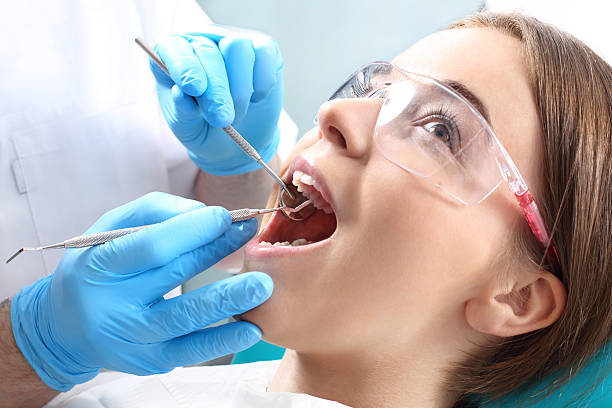
Endodontics in Turkey
Turkish endodontics (Endodontics) is a branch of science that deals with dental problems affecting the nerves, blood vessels, and connective tissue inside the tooth (root), known as the pulp tissue, as well as the tissues surrounding the tooth (around the root tip).
These procedures are performed within the scope of this specialty, which is a broad field known as endodontics.
Pulp tissue can become damaged or inflamed due to untreated deep decay, recurrent dental problems, or severe trauma, and this tissue can lose its vitality if left untreated.
Pulp that has lost its vitality can affect the gums, causing swelling, and can also cause severe pain on its own. Similarly, this pain can spread to the face, neck, and head.
Bone loss may also occur in the area where the tooth root is located. Root canal treatment is used to prevent this condition, remove tooth deformities and damage (especially those caused by bacteria), and restore the tooth’s function.
Achieve your dream of studying in Turkey with Hallak EDU and learn about the study requirements in Turkey to achieve your academic future.
Who Can Undergo Root Canal Treatment?
There is no specific age at which root canal treatment is recommended, as it can be used to treat cleft palate in newborns and age-related dental abnormalities.
This treatment can be performed at any age, but the type of treatment depends on the patient’s age.
In general, endodontic treatment is required and performed after examination if the patient has:
-Long-lasting sensitivity to hot or cold.
-Discoloration of the teeth compared with their natural color.
-Pain while chewing or an inability to chew properly.
-Sudden tooth pain, especially at night.
Apart from all of this, the patient’s general health condition must be suitable for undergoing a root canal procedure. This is determined through various health tests performed under the supervision of a physician before the procedure.
Hallak EDU and study requirements in Turkey for Jordanians — start your educational journey today.
Before Root Canal Treatment
The most important stage of the root canal treatment process is the initial assessment stage, during which the condition of the tooth root is determined.
Before starting root canal treatment, dental and tooth problems are identified at this stage through radiographic imaging or pulp and percussion tests.
Bacteria are a major contributor to pulp disease, and the indication for endodontic treatment is largely determined by the bacterial load in the pulp tissue and the presence of trauma to the tooth.
This is also determined through the examination performed before the procedure.
There are no special procedures that patients need to follow before treatment; they should stop eating and brush their teeth one hour before treatment.
Welcome your educational future with study requirements in Turkey for Iraqis with Hallak EDU.
Endodontic Procedure
Endodontic treatment is performed under local anesthesia. This ensures the comfort of both the dentist and the patient and prevents any reactions during treatment that could negatively affect the procedure.
The duration of the procedure depends on the application and techniques used during treatment.
Before starting the procedure, the oral cavity is disinfected to remove infected nerve tissue, damaged blood vessels, and cellular debris from the root canal that could negatively affect the health of the tooth during endodontic treatment.
The tissues, which appear as threads, are removed one by one. Then, an antiseptic solution is used to eliminate harmful microorganisms from the root canal.
This cleaning process must be performed with great care to prevent recurrent damage. The cavity created after cleaning is filled with a highly tissue-compatible medical material and sealed tightly.
This material, known as flexible and moldable gutta-percha, is made of rubber and fits comfortably into the filled area.
Hallak EDU — everything you need to study in Turkey – study requirements in Turkey for Moroccans
After Root Canal Treatment
After endodontic treatment, the treated tooth functions like any other tooth in the mouth.
In addition, sensitivity in the treated area and pain when applying pressure to the tooth may occur for a few days after endodontic treatment, but if pain occurs, it can be easily controlled with painkillers.
-Patients should take the following precautions at the end of the procedure
-Avoid consuming sugary foods and drinks after the procedure, considering that sugary foods and drinks are metabolized by bacteria and acids, and these acids can damage the tooth and tooth enamel.
-Food should not be consumed for several hours after endodontic treatment, but hard foods that are difficult to chew are not recommended. They can damage the teeth and negatively affect the healing process.
-Therefore, try to eat foods that are easy to chew and have a soft texture, such as yogurt, eggs, and fish.
-Good oral hygiene and ensuring that dental health is not compromised are important for the long-term results of root canal treatment.
-This is important for extending the effectiveness of root canal treatment.
Check the study requirements in Turkey for Tunisians with Hallak EDU — educational opportunities designed for Tunisians.
Steps for Specializing in Dentistry
The required documents are as follows:
1. Bachelor’s degree certified by the relevant foreign authority + Turkish translation.
2. Transcript certified by the relevant foreign authority + Turkish translation.
3. High school graduation certificate certified by the relevant foreign authority.
4. Passport translated into Turkish.
5. Power of attorney for equivalency procedures, translated and notarized by the Turkish Embassy.
The procedures are carried out at the Turkish Ministry of Higher Education and Ministry of Health by our office.
Step Two.
Submit these documents to our offices in Ankara or Istanbul. If you live outside Turkey, please send them by express courier such as DHL.
Step Three.
Then submit the original and translated documents, along with the high school diploma, to the Turkish Ministry of Higher Education, which will review the certificates and contact the university where you studied to verify the authenticity of the certificates. The ministry intends to reduce this period to six months by the end of this year.
Note:
The original documents will be returned as soon as the file is opened at the Ministry of Higher Education.
Step Four
Learn the Turkish language
Step Five.
Pass the STS Dentistry Equivalency Examination. This exam is held once a year in Turkey, in September … The exam can be taken during the year in which the certificate examination is held.
STS Dentistry Equivalency Examination – Dış hekimliği:
* The passing score is 40%, and the examination is conducted in Turkish.
* The exam consists of 120 multiple-choice questions (MCQs) and takes 150 minutes, or 2.5 hours.
Step Six:
Complete training in various dentistry departments for 6-9 months at a public university hospital.
Note
* After passing the national dentistry examination and completing the procedures at the Ministry of Dentistry, students select three public universities. The trainee chooses from among three public universities, and the Ministry of Dentistry determines one of the three hospitals as the training location.
Step Seven
Pass the DUS examination and choose a specialty according to the exam score.
The most important Turkish universities that offer Dentistry programs in Turkey:
- Yeditepe University (Yeditepe Üniversitesi)
- Bazmi Alem University (Bazmi Alem Üniversitesi)
- Hacettepe University (Hacıtepe Üniversitesi)
- Istanbul University (İstanbul Üniversitesi)
- Baskent University (Başkent Üniversitesi)
- Istanbul Medipol University (İstanbul Medibol Üniversitesi)
- Ege University (Ege Üniversitesi)
- Marmara University (marmara üniversitesi)
- Ankara University (Ankara Üniversitesi)
- Okan University (Okan Üniversitesi)
- Gazi University (Gazi Üniversitesi)
- Akdeniz University (Akdeniz Üniversitesi)
- Eskisehir Osmangazi University (Eskisehir Osmangazi Üniversitesi)
- Biruni University (El Biruni Üniversitesi)
- University of Health Sciences (Sağlık Bilimleri Üniversitesi)
- Beykent University (Beykent Üniversitesi)
- Izmir Katip Celebi University (İzmir Kateb Çelebi Üniversitesi)
- Yildirim Beyazit University (Yıldırım Beyazıt Üniversitesi)
- Okan University (Okan Üniversitesi)
- Istanbul Aydin University (İstanbul Aydın Üniversitesi)
- Kocaeli University (Kocaeli Üniversitesi)
- Cukurova University (Çukurova Üniversitesi)
- Istanbul Yeni Yuzyil University (İstanbul Yeni Yüzyıl Üniversitesi)
- Selcuk University (Selçuk Üniversitesi)
- Altinbas University (Altınbaş Üniversitesi)
- Erciyes University (Arges Üniversitesi)
- 19 Mayıs University (19 Mayıs Üniversitesi)
- Adnan Menderes University (Adnan Menderes Üniversitesi)
- Mersin University (Mersin Üniversitesi)
- Pamukkale University (Pamukkale Üniversitesi)
- Gazi University (Gazi Üniversitesi)
- Suleyman Demirel University (Süleyman Demiral Üniversitesi)
- Trakya University (Trakya Üniversitesi)
- Abant İzzet Baysal University (Abant İzzet Baysal Üniversitesi)
- Necmettin Erbakan University (Necmettin Erbakan Üniversitesi)
- Karadeniz Technical University (Karadeniz Teknik Üniversitesi)
- Inonu University (İnönü Üniversitesi)
- Kirikkale University (Kırıkala Üniversitesi)
- Usak University (Uşak Üniversitesi)
- Bülent Ecevit University (Bülent Ecevit Üniversitesi)
- Mustafa Kemal University (Mustafa Kemal Üniversitesi)
- Ordu University (Urdu Üniversitesi)
- Cumhuriyet University (Cumhuriyet Üniversitesi)
- Ataturk University (Atatürk Üniversitesi)
- Recep Tayyip Erdogan University (Recep Tayyip Erdoğan Üniversitesi)
- Gaziosmanpasa University (Gaziosmanpasa Üniversitesi)
- Firat University (El-Furat Üniversitesi)
- Adiyaman University (Adhiman Üniversitesi)
- Yuzuncu Yil University (Yuzungwil Üniversitesi)
Support and Preparation Programs We Offer at Hallak EDU:
TOEFL Program:
We offer intensive and effective courses to prepare students to take the TOEFL test, helping improve their English language skills and ensuring success on the exam.
IELTS Program:
We offer training courses to prepare students for the IELTS test, with a special focus on developing the four English language skills: listening, reading, writing, and speaking.
SAT Program:
We offer specialized courses to prepare students to take the SAT, focusing on key subjects and exam strategies.
Tr YÖS Program:
We offer specialized courses to prepare students for the YÖS proficiency test to assess students’ language level in Turkish, helping them prepare effectively for studying in the Turkish university environment.
Turkish and English Language Proficiency Exam Program:
We offer intensive programs to assess students’ proficiency in both Turkish and English, ensuring significant progress in their language skills.
Interactive ICDL Mathematics Program:
We offer interactive courses to strengthen students’ mathematics skills, helping them prepare effectively for academic achievement.
At Hallak EDU, we are committed to providing specialized programs that contribute to students’ success in their exams and prepare them for their studies with confidence.