

Physiotherapy at Turkish Universities: Specialized Healthcare for Improving Movement and Rehabilitation
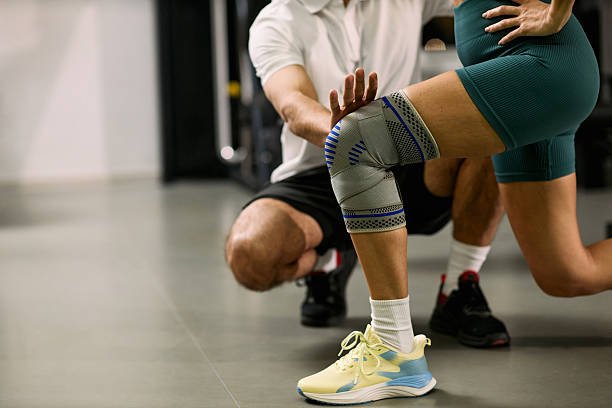
Studying Physiotherapy at Turkish universities is considered one of the multidisciplinary fields within the Faculty of Health Sciences. This specialization aims to qualify healthcare professionals to effectively implement physiotherapy interventions and rehabilitation programs, contributing to improving body movement and overall human performance. Physiotherapists are an essential part of surgical procedures and injury treatment, playing a vital role in restoring patients’ health and normal mobility.
Students in the Physiotherapy program learn how to help people with movement difficulties and improve their physical and functional condition. The curriculum includes concepts from psychology and the use of treatment plans, with an emphasis on adapting and modifying them according to patients’ needs.
Physiotherapy skills include many human aspects, such as patience and understanding. Students play a vital role in helping individuals recover and return to their normal lives after medical interventions or injuries.
Studying Physiotherapy at Turkish universities is an engaging experience that combines scientific knowledge with human skills. Students are trained to support physical health and improve it comprehensively, contributing to enhancing patients’ quality of life and their role in society.
Contributions of Physiotherapy to the Treatment of Various Diseases and Injuries
The diseases and injuries that physiotherapy contributes to treating are diverse, as physiotherapy plays a vital role in improving and promoting healthy living for individuals. Physiotherapy addresses a wide range of conditions affecting the skeletal, muscular, nervous, respiratory, dermatological, cardiovascular, urinary and reproductive systems, as well as the joints.
Diseases and Injuries Treated by Physiotherapy:
- 1. Diseases and Injuries of the Skeletal System:
From spinal deformities to cruciate ligament surgery, physiotherapy provides the necessary support and rehabilitation.
- 2. Diseases and Injuries of the Muscular System:
Physiotherapy effectively addresses muscle strains and muscle atrophy.
- 3. Diseases and Injuries of the Nervous System:
These include paralysis, neuritis, disc problems, and spinal cord injuries.
- 4. Respiratory Diseases:
These include asthma, bronchitis, and pulmonary fibrosis.
- 5. Skin Diseases and Injuries:
Physiotherapy addresses wounds, burns, psoriasis, and certain bacterial skin disorders.
- 6. Internal Medicine and Heart Diseases:
Physiotherapy addresses circulatory disorders, high blood pressure, and rehabilitation after open-heart surgery.
- 7. Urinary and Reproductive System Diseases:
It addresses conditions such as prostate disorders and urinary incontinence through specialized rehabilitation services.
- 8. Joint Diseases:
These include rheumatism, cartilage degeneration, osteoarthritis, and arthritis.
The contributions of physiotherapy to promoting health and improving the quality of life of individuals affected by various diseases and injuries are significant.
Advantages of Studying Physiotherapy at Turkish Universities:
Advanced Technology, Academic Excellence, and Medical Tourism Opportunities
Turkish universities are considered a prestigious destination for studying Physiotherapy, offering a range of advantages that make them highly popular among international students. In this context, we will highlight some of the key advantages of studying Physiotherapy at Turkish universities.
Advantages:
Providing laboratories equipped with the latest technologies according to international standards, offering students a modern and effective learning environment.
- Physiotherapy programs in Turkey are offered in both English and Turkish, making it easier for students to understand the academic content.
- Physiotherapy tuition fees in Turkey are considered moderate and lower than those in many other European countries.
- Turkish university degrees are recognized in many countries around the world and in the European Union, opening broad international employment opportunities for graduates.
- Highly qualified academic and practical teaching staff at Turkish universities.
- Turkey is considered a center for medical tourism due to its highly skilled doctors and specialists in the field of physiotherapy, as well as its natural therapeutic resources.
- Universities provide recreational programs and social and cultural activities for students, contributing to a balanced academic life.
- Turkish universities offer postgraduate study opportunities in Physiotherapy, encouraging students to continue specialization and scientific research.
Turkish universities provide a distinctive and comprehensive educational experience in Physiotherapy, with particular attention to educational quality, cultural diversity, and technological development.
Master’s and Doctoral Programs in Physiotherapy and Rehabilitation in Turkey: Developing Skills and Deepening Knowledge
Studying for a master’s degree in Physiotherapy and Rehabilitation in Turkey is an important option for those wishing to continue their professional careers in this field. It helps develop and refine students’ skills and deepen their understanding of modern physiotherapy techniques and methods. Turkish universities also provide excellent opportunities for students to receive practical training in hospitals and clinics affiliated with universities, contributing to the enhancement of their practical experience. Physiotherapy and Rehabilitation in Turkey focuses on comprehensively and progressively treating bone pain, muscle spasms, and injuries.
Qualities of Successful Physiotherapy Students
Essential Personal and Academic Skills
Physiotherapy requires a diverse range of personal and academic skills to ensure success in this varied and demanding field. In this
Personal Requirements:
- A strong understanding of scientific subjects such as chemistry, biology, and mathematics, which contributes to understanding the fundamentals of physiotherapy.
- Excellence in the ability to memorize and analyze information effectively, enhancing a deep understanding of concepts and techniques.
- The ability to think systematically, maintain a high level of concentration, and respond quickly, contributing to effective interaction with medical conditions and the application of appropriate treatments.
- The ability to communicate effectively with patients and medical colleagues and understand patients’ needs comprehensively.
- The ability to handle academic demands and work for long hours due to comprehensive preparation and practical training.
- The ability to interact positively with various social influences, adhere to professional ethics, and respect social values.
- Proficiency in English to understand scientific literature and communicate effectively within the international scientific community.
Studying Physiotherapy requires a balance between academic skills and personal qualities that enhance your understanding and performance in this vital field.
Physiotherapy Bachelor’s Curriculum: A Comprehensive and Specialized Learning Journey
The Physiotherapy bachelor’s program at universities includes a comprehensive and specialized scientific curriculum. The first semesters introduce fundamental concepts, while later semesters develop specialized knowledge and practical skills. In this context, we will review the subjects students study throughout the program.
Core Subjects:
First Semester:
Anatomy: Developing an accurate understanding of body structure and functions.
Introduction to Physiotherapy and Rehabilitation: Learning the basic concepts and importance of rehabilitation.
Introduction to Nutrition: Understanding the relationship between nutrition and overall health.
Psychology: Studying the psychological impact on health and its relationship to recovery processes.
Fundamentals of Physics: Applying physical concepts to physiotherapy.
Second Semester:
Advanced Anatomy: In-depth study of body structure.
Advanced Physiology: Detailed study of organ functions.
Thermal and Hydrotherapy and Light Therapy: Applying therapeutic heat and light techniques.
Pathology: Studying common diseases and their impact on treatment.
Normal Motor Development and Developmental Stages of Body Systems: Understanding development and movement.
The advanced and specialized subjects continue throughout the following semesters, allowing students to develop their scientific and practical expertise in Physiotherapy. These subjects include muscle therapy, electrotherapy, clinical practice, health sciences research, and others, with the possibility of choosing an elective university course and completing practical training to apply acquired concepts in a real-world environment. The program culminates in a graduation research project, in which knowledge and skills are applied to a research project related to Physiotherapy.
Leading Turkish Universities Offering Physiotherapy with Linguistic Diversity and High Educational Quality
The growing interest in Physiotherapy in Turkey has led to the availability of distinguished educational opportunities for students worldwide. Whether they prefer to study in English or Turkish, Turkish universities offer excellent educational options. In this context, we will review some of the most important universities offering Physiotherapy in Turkey.
Study in English:
- Bahçeşehir University: Distinguished by high-quality programs and a modern educational environment.
- Medipol University: Offers advanced Physiotherapy programs with a developed educational structure.
- Gelişim University: Offers Physiotherapy programs at an internationally competitive educational level.
- Istinye University: Considered one of the leading institutions in higher education in the field of Physiotherapy.
- Okan University: Provides an advanced educational environment with a focus on scientific research.
Study in Turkish:
Medipol University – Medipol Üniversitesi
Offers distinguished Physiotherapy programs in Turkish.
Istanbul Aydın University – İstanbul Aydın Üniversitesi
Offers Physiotherapy programs with high educational quality.
Üsküdar University – Üsküdar Üniversitesi
Offers comprehensive educational programs in the field of Physiotherapy.
Okan University – Okan Üniversitesi
Provides excellent educational opportunities for students wishing to study the specialization in Turkish.
Best Turkish Universities for Studying Physiotherapy:
- Gazi University: Gazı Üniversitesi is considered among the best universities offering Physiotherapy programs.
- Hacettepe University: Hacettepe Üniversitesi provides a distinguished and advanced educational environment in Physiotherapy.
3. Marmara University: Marmara Üniversitesi offers high-quality programs and updated curricula.
- Medipol University: Medipol Üniversitesi is distinguished by offering advanced Physiotherapy programs.
- Bahçeşehir University: Bahçeşehir Üniversitesi is known for offering prestigious programs and an excellent teaching staff.
In conclusion, Turkish universities offer many distinguished educational opportunities for Physiotherapy students, making Turkey an ideal destination for studying this important field.
1
Wide Career Opportunities for Physiotherapy Graduates: Diverse Professional Challenges Across Multiple Fields
Physiotherapy is a diverse field that provides graduates with broad opportunities in various professional areas. After obtaining the title of “Physiotherapist,” graduates of Turkish universities can continue to achieve greater accomplishments through postgraduate studies and can become “specialized physiotherapists” or “doctors in physiotherapy.” In this context, we will review some of the career opportunities available to Physiotherapy graduates in Turkey.
Career Opportunities:
1. Physiotherapist: Provides physiotherapy care and rehabilitation to patients in various medical settings.
- Sports Therapist: Treats athletes, helps them recover from injuries, and improves their athletic performance.
- Acupuncture Practitioner: Uses acupuncture techniques to treat pain and improve bodily functions.
- Manual Therapist: Uses manual techniques to improve joint and muscle conditions.
- Exercise Physiologist: Designs effective exercise programs to improve physical fitness and health.
- Working in Hospitals and Private Clinics: Provides services in various healthcare environments.
- Working in Schools and Community Centers: Provides services to children or people with special needs in educational or social institutions.
- Working in Nursing Homes: Contributes to improving the health and daily lives of elderly people.
- Working in Sports Clubs: Provides physiotherapy services to members and athletes in sports clubs.
- Working in Academic Fields: Graduates can pursue academic or research roles, contributing to the development of knowledge in Physiotherapy.
In this way, Physiotherapy graduates can benefit from diverse career opportunities and make a positive impact on the lives of others in different communities.
Salaries of Physiotherapy Graduates in Turkey
The average salaries of Physiotherapy graduates in Turkey can vary according to many factors, including the institution where they work, the city of employment, their previous experience, their level of education, and the extent of their responsibilities. However, the average salary for entry-level Physiotherapy graduates in Turkey may range from 17,000 to 22,000 Turkish lira per month, and these figures may increase significantly with greater experience and professional advancement. It should be noted that these figures are approximate estimates, and actual salaries may vary depending on individual circumstances and the local labor market.
.
Admission Requirements for Studying Physiotherapy in Turkey: Essential Documents and Conditions
Turkey is one of the popular destinations for students wishing to study Physiotherapy. However, to ensure admission to university programs, applicants must meet certain conditions and provide the necessary documents. In this context, we will review the admission requirements for studying Physiotherapy in Turkey.
Required Documents:
Passport copy
Personal photograph:
High school diploma
– A translated copy into English or Turkish must be provided.
– The diploma must be certified by the relevant authorities.
*Certificate of the latest academic semester if the student has not completed high school:
– A translated and certified copy of the latest academic certificate must be provided.
English Language Completion Certificate (if available):
– If the student wishes to study in English.
– Providing an English language completion certificate is preferred.
Additional Documents and Certificates:
– Applicants are encouraged to provide any additional documents that may strengthen their chances of obtaining tuition discounts.
SAT Test (if the student wishes to study in English):
– It is recommended to take the SAT and obtain the required scores at universities that accept this test for admission.
By submitting these documents and complying with the requirements, students interested in studying Physiotherapy in Turkey can pursue their academic ambitions.
Support and Preparation Programs We Offer at Hallak EDU
TOEFL Program:
We provide intensive and effective courses to prepare students to take the TOEFL exam, helping improve their English language skills and ensuring success in the test.
IELTS Program:
We provide training courses to prepare students for the IELTS exam, with a special focus on developing the four English language skills: listening, reading, writing, and speaking.
SAT Program:
We provide specialized courses to prepare students for the SAT exam, focusing on key topics and exam strategies.
Tr YÖS Program:
We provide specialized courses to prepare students for the YÖS proficiency examination, which helps determine students’ language level in Turkish and contributes to preparing them effectively for studying in the Turkish university environment.
Turkish and English Language Proficiency Exam Program:
We provide intensive programs to assess students’ proficiency in both Turkish and English, ensuring significant progress in their language level.
Interactive ICDL Mathematics Program:
We provide interactive courses to strengthen students’ mathematics skills, helping them prepare effectively for academic achievement.
At Hallak EDU, we are committed to providing specialized programs that contribute to students’ success in their exams and prepare them for their studies with confidence.