

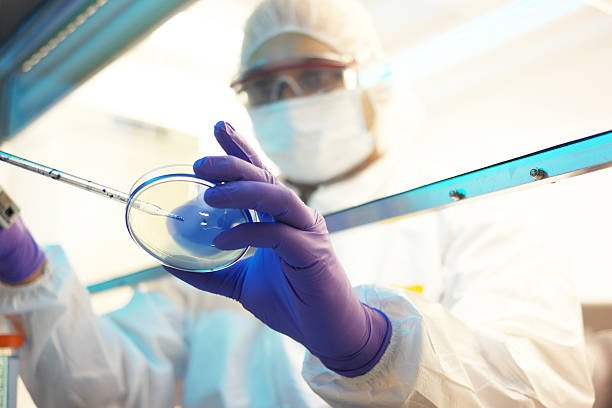
Biology and Genetics in Turkey
There is a relatively new branch of biology known as molecular biology or molecular and genetic engineering.
This field focuses on modifying different genes in humans, animals, plants, or microorganisms.
This is achieved by using genetic engineering techniques to create new and modified combinations to solve existing problems and develop improved versions.
Turkish universities offer excellent opportunities for both Turkish and international students to study this field at various universities. If you are interested in studying this subject,
To learn more about studying molecular and genetic engineering in Turkey, contact our Hallak EDU team.
Overview of Molecular and Genetic Engineering Studies in Turkey
Learn more about the following details regarding molecular and genetic engineering in Turkey:
* Genes are the biochemical components of life that are passed from one generation to another.
* Molecular and genetic engineering programs aim to understand this complex process and modify it to prevent and solve existing problems.
* At various Turkish universities, students learn and receive practical training in gene modification and the integration of genes into living organisms to improve them using modern technologies and create new modified combinations.
* Students in this field study various areas, most importantly basic biology, chemistry, mathematics, physics, and computer science, as molecular biology is inherently interdisciplinary.
* This comes after researchers first studied how to identify the molecules that make up the cells of living organisms.
* There are no private universities in Turkey that specifically teach molecular and genetic engineering, but some universities, including faculties of science, engineering, and life sciences, have dedicated departments for studying genetics and offer degrees at the undergraduate and graduate levels, including bachelor’s, master’s, and doctoral programs.
History of the Genetics Department and Genetics Studies in Turkey
The Department of Genetics in Turkey was established in 1977 as the first genetics department in the country and has since expanded to cover many areas of biology.
All genetics professors at Turkish universities conduct research and development activities. They place great importance on student participation in courses and research, allowing students to gain a solid foundation in biology through lectures and laboratory courses, as well as practical experience through participation in research projects.
Importance of Studying Biology and Genetics in Turkey:
Scientific Research Objectives:
The results of molecular biology research form the foundation for advances in medicine, genetics, and technology based on genetic modifications. Molecular biological data can be used to better understand diseases and their development.
Developing More Effective Medicines:
As a result of scientific research, these technologies are used in medicine to produce drugs such as insulin and vaccines for treating diseases such as viral hepatitis, as well as proteins that regulate the human immune system to combat diseases such as cancer, viral diseases, and herpes.
Agriculture:
This field contributes to growing genetically modified crops with new characteristics that are resistant to diseases and weather conditions, reducing the use of fertilizers, increasing agricultural land potential, and improving agricultural production.
It is always recommended to verify the specific admission requirements of each university when applying through the Hallak EDU team.
Benefits and Advantages of Studying Molecular and Genetic Engineering in Turkey
* Studying this field in Turkey offers several advantages, including universities with laboratories and research facilities equipped to high standards to provide students with better practical training.
* Higher education at Turkish universities includes bachelor’s, master’s, and doctoral degrees, providing more opportunities for students who wish to study in Turkey.
* Turkish universities are divided into two types: 104 public universities and 62 private universities, providing opportunities for a large number of students wishing to study in the country. Turkish universities are also highly regarded, especially because they provide student exchange opportunities with European universities.
* A safe and welcoming multicultural environment for people from different cultures.
* Turkish universities are known for their high quality and relatively affordable tuition fees compared with European countries.
* Many programs are taught in English.
* At public universities, programs are generally taught in Turkish, but some programs are also offered in English, German, or French, increasing opportunities for students from different linguistic backgrounds.
* Turkish students enrolled in Turkish-language programs can complete one year of language preparation before continuing their studies.
Departments and Fields of Molecular and Genetic Engineering in Turkey
The fields in which molecular and genetic engineering technologies are used include:
Medicine and Pharmacy:
Using genetic engineering techniques, new medicines are being developed to treat chronic diseases. Genetic engineering has even advanced to the point of preventing the transmission of diseases from parents to the fetus. Specialization in intracytoplasmic sperm injection (ICSI) for women is also relevant, as it enables the creation of healthy embryos.
Agriculture and Plants:
The development of cultivated varieties and the hybridization of plants during agricultural production, whether through fertilizers or seeds, is referred to as biotechnology according to the Food and Agriculture Organization (FAO).
Number of Years of Study and Examples of Courses:
The courses studied by students during their program include the following:
First Year of Molecular and Genetic Engineering:
Introduction to Biology, Chemistry, and Physics for Life Sciences
-Mathematics for Life Sciences
-Important Statistics
-Organic Chemistry
Introduction to Bioinformatics — Second Year of Molecular and Genetic Engineering
-Molecular Genetics
-Molecular Biochemistry
-Calculations for Life Sciences
-Advanced Research in Molecular Genetics
Advanced Bioinformatics Studies — Third Year of Molecular and Genetic Engineering
-Human Physiology
-Biotechnology
-Biological Techniques
-Microbiology
-Genetics
-Practical Training
Fourth Year of Molecular and Genetic Engineering
Genomics and Proteomics
Advanced Genetic Engineering and Molecular Genetics
Practical Training
An advanced course begins in the fourth semester, allowing students to choose an area of study, such as bioinformatics or medical biology.
Students are advised to contact the admissions department of their chosen university directly through the Hallak EDU team to ensure that all required documents are completed and to receive detailed instructions specific to each university.
Language of Study for Molecular and Genetic Engineering in Turkey
Molecular and genetic engineering programs in Turkey are taught in Turkish and English, depending on the student’s choice.
Tuition Fees for Molecular and Genetic Engineering Studies in Turkey
Molecular and Genetic Engineering Programs at Turkish Universities
- Istanbul Bilgi University (Istanbul Bilgi Üniversitesi)
- Istanbul Okan University (Istanbul Okan Üniversitesi)
- Bahçeşehir University (Bahçeşehir Üniversitesi)
- İstinye University (İstinye Üniversitesi)
- Istanbul Esenyurt University (Istanbul Esenyurt Üniversitesi)
- Uludağ University (Uludağ Üniversitesi)
- Mustafa Kemal University (Mustafa Kemal Üniversitesi)
- Adnan Menderes University (Adnan Menderes Üniversitesi)
- Abdullah Gül University (Abdullah Gül Üniversitesi)
Career Opportunities in Molecular and Genetic Engineering
Career opportunities for graduates of molecular and genetic engineering are diverse and comprehensive, allowing them to work in various institutions and sectors. Some of the career opportunities and fields in which graduates can work include:
- Working in academia, where they can teach and conduct research at universities and academic institutions.
- Working in forensic medicine institutions, where they contribute to analyzing genetic evidence and preparing technical reports.
- Working in biochemical materials production centers, where they can contribute to the development and production of biological and industrial materials.
- Working in the energy sector by researching and developing new renewable energy technologies and improving energy use.
- Working in hospitals, where they can contribute to diagnosing genetic diseases and providing genetic counseling.
- Working in pharmaceutical companies by researching and developing new medicines and examining their genetic effects.
- Working in private clinics, where they provide genetic medicine consulting services.
- Working in the agricultural sector by developing disease-resistant plant varieties and improving crop productivity.
- Working with the Turkish Health Council, where they can contribute to developing health policies related to genetics and molecular technologies.
- Working in IVF centers, where they contribute to analyzing genetic samples and providing genetic counseling to children and their families.
- Working as a molecular geneticist, studying genetic structures and the molecular interactions of genetic compounds.
- Working as a genetics science consultant, providing consultation and guidance in medical and laboratory genetics.
- Working as a project manager, managing and implementing research and development projects in molecular and genetic engineering.
*Career Opportunities in Molecular and Genetic Engineering
Career opportunities for graduates of molecular and genetic engineering are diverse and comprehensive, allowing them to work in various institutions and sectors. Some of the career opportunities and fields in which graduates can work include:
- Working in academia, where they can teach and conduct research at universities and academic institutions.
- Working in forensic medicine institutions, where they contribute to analyzing genetic evidence and preparing technical reports.
- Working in biochemical materials production centers, where they can contribute to the development and production of biological and industrial materials.
- Working in the energy sector by researching and developing new renewable energy technologies and improving energy use.
- Working in hospitals, where they can contribute to diagnosing genetic diseases and providing genetic counseling.
- Working in pharmaceutical companies by researching and developing new medicines and examining their genetic effects.
- Working in private clinics, where they provide genetic medicine consulting services.
- Working in the agricultural sector by developing disease-resistant plant varieties and improving crop productivity.
- Working with the Turkish Health Council, where they can contribute to developing health policies related to genetics and molecular technologies.
- Working in IVF centers, where they contribute to analyzing genetic samples and providing genetic counseling to children and their families.
- Working as a molecular geneticist, studying genetic structures and the molecular interactions of genetic compounds.
- Working as a genetics science consultant, providing consultation and guidance in medical and laboratory genetics.
- Working as a project manager, managing and implementing research and development projects in molecular and genetic engineering.
Requirements and Documents for Studying Molecular and Genetic Engineering in Turkey
-A translated and certified copy of your passport.
A translated and certified Abitur or equivalent recognized foreign qualification.
-Passing the Basic Proficiency Test (TYT).
-Passing the Field Proficiency Test (AYT).
-Passing the YS exam.
If the student is not proficient in the language they wish to study in, they can complete a preparatory year to learn that language along with basic English or Turkish courses before beginning university studies.
Support and Preparation Programs We Offer at Hallak EDU:
TOEFL Program:
We offer intensive and effective courses to prepare students for the TOEFL exam, helping improve their English language skills and ensuring successful exam performance.
IELTS Program:
We offer training courses to prepare students for the IELTS exam, with a special focus on developing the four English language skills: listening, reading, writing, and speaking.
SAT Program:
We offer specialized courses to prepare students for the SAT exam, focusing on key subjects and exam strategies.
Tr YÖS Program:
The Tr YÖS is a local exam that is not internationally recognized and is administered by most Turkish universities. It stands for “Yabancı Uyruklu Öğrenci Sınavı,” which translates into English as “Foreign Student Examination.” The YÖS exam is a key admission requirement for Turkish public universities.
Students’ scores on the YÖS exam play an important role in improving their overall admission scores and contribute to their chances of being accepted into highly competitive programs such as medicine and pharmacy. In general, the YÖS exam consists of several sections:
Mathematics questions.
Logic and intelligence questions.
Geometry topics.
Turkish and English Language Proficiency Exam Program:
We offer intensive programs to assess and improve students’ proficiency in both Turkish and English, helping them achieve significant progress in their language skills.
Interactive ICDL Mathematics Program:
We offer interactive courses to strengthen students’ mathematics skills, helping them prepare effectively for their academic studies.
At Hallak EDU, we are committed to providing specialized programs that contribute to students’ success in their exams and prepare them for their studies with confidence.